Ensuring Safety in Permanent Makeup Services
- Zahra Chegini

- Sep 22, 2025
- 5 min read
When considering permanent makeup, safety is the first thing on your mind. I completely understand that feeling. You want to enhance your natural beauty, but you also want to be sure the process is safe, hygienic, and performed by skilled professionals. That’s why I’m here to walk you through everything you need to know about safe permanent makeup practices. Whether you’re thinking about getting permanent makeup or you’re an aspiring beauty artist, this guide will help you feel confident and informed every step of the way.
Why Safe Permanent Makeup Practices Matter
Permanent makeup is a fantastic way to save time and boost your confidence. But because it involves needles and pigments applied to your skin, safety cannot be overlooked. The skin is your body’s largest organ and a natural barrier against infections. When that barrier is broken, even slightly, it opens the door to potential risks like infections, allergic reactions, or scarring.
Safe permanent makeup practices protect you from these risks. They ensure that the tools are sterile, the pigments are safe, and the technician is trained to handle any situation. When you choose a professional who follows these practices, you’re not just getting beautiful results—you’re also protecting your health.
Here are some key reasons why safety is essential:
Preventing infections: Sterile equipment and clean environments reduce the chance of bacteria entering your skin.
Avoiding allergic reactions: Using high-quality pigments tested for safety minimizes the risk of irritation.
Ensuring proper healing: Following aftercare instructions helps your skin heal beautifully without complications.
Achieving the best results: Safe practices mean the pigment is applied correctly, lasting longer and looking natural.
What Are Safe Permanent Makeup Practices?
Safe permanent makeup practices are a set of standards and procedures that professionals follow to keep you safe and comfortable. These practices cover everything from the cleanliness of the workspace to the quality of the pigments and the technician’s training.
Here’s what you should look for or expect when you visit a permanent makeup artist:
Clean and Sterile Environment
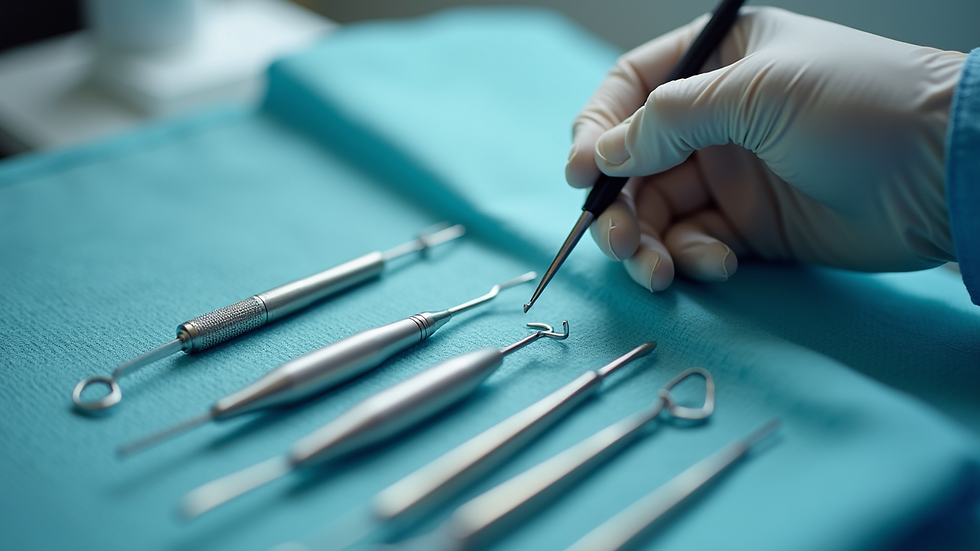
The studio should be spotless. All surfaces should be disinfected, and tools should be sterilized or disposable. You might see the artist wearing gloves and using single-use needles.
Proper Licensing and Training
The artist should have certifications from reputable institutions. This shows they understand anatomy, hygiene, and the latest techniques.
High-Quality Pigments
Pigments should be hypoallergenic and approved for cosmetic use. Ask about the brand and ingredients if you’re unsure.
Patch Test Before Procedure
A patch test helps identify any allergic reactions before the full procedure. It’s a simple but important step.
Clear Aftercare Instructions
You should receive detailed guidance on how to care for your skin after the procedure to avoid infections and ensure proper healing.
Open Communication
The artist should answer all your questions honestly and make you feel comfortable about the process.
By ensuring these practices are in place, you’re taking a big step toward a safe and satisfying permanent makeup experience.

What Do They Do in Permanent Makeup?
Understanding the process can ease any nerves you might have. Permanent makeup artists use specialized equipment to implant pigment into the upper layers of your skin. This technique is similar to tattooing but designed specifically for cosmetic enhancement.
Here’s a simple breakdown of what happens during a typical session:
Consultation: The artist discusses your desired look, skin type, and any medical history. This is the time to ask questions and set expectations.
Design and Approval: The artist sketches the shape or design on your skin using a pencil. You get to approve or request changes.
Numbing: A topical anesthetic is applied to minimize discomfort.
Pigment Application: Using a fine needle, the artist deposits pigment into your skin. This step requires precision and care.
Cleaning and Aftercare: The area is cleaned, and you receive instructions on how to care for your new look.
The entire process usually takes 1-2 hours, depending on the area being treated. Healing takes about 7-14 days, during which you might experience slight redness or swelling.
If you’re curious about the techniques and training behind these services, permanent makeup services offer a great insight into the professional standards and artistry involved.

How to Choose a Safe and Skilled Permanent Makeup Artist
Choosing the right artist is crucial for your safety and satisfaction. Here are some tips to help you find a professional you can trust:
Research Credentials: Look for certifications, licenses, and training from reputable schools or organizations.
Read Reviews: Check online reviews and testimonials from previous clients.
Ask About Hygiene: Don’t hesitate to ask how they sterilize their tools and maintain cleanliness.
View Portfolio: Ask to see before-and-after photos of their work.
Discuss Allergies and Health Conditions: Make sure the artist is aware of any allergies or medical issues you have.
Trust Your Instincts: If something feels off or rushed, it’s okay to walk away and find someone else.
Remember, a good artist will be patient, transparent, and happy to answer your questions. They want you to feel safe and confident.
Aftercare Tips for Safe Healing and Long-Lasting Results
Your role doesn’t end when you leave the studio. Proper aftercare is essential to protect your skin and ensure your permanent makeup looks its best for years to come. Here are some practical tips:
Keep the Area Clean: Gently cleanse with a mild, fragrance-free soap and water.
Avoid Touching or Picking: Let any scabs or flakes fall off naturally to prevent scarring.
Stay Out of the Sun: UV rays can fade pigment and irritate healing skin. Use a hat or sunscreen once healed.
Avoid Swimming and Saunas: For at least 10 days, avoid pools, hot tubs, and steam rooms.
Use Recommended Products: Follow your artist’s advice on ointments or creams.
Stay Hydrated and Healthy: Good nutrition supports skin healing.
If you notice unusual redness, swelling, or pain, contact your artist or a healthcare professional immediately.

Embracing Your Beauty with Confidence and Care
Getting permanent makeup is a wonderful way to enhance your natural features and simplify your daily routine. By prioritizing safe permanent makeup practices, you’re investing not only in your appearance but also in your health and well-being.
Whether you’re stepping into the world of permanent makeup for the first time or training to become an artist, remember that safety and professionalism are the foundation of every beautiful result. Take your time, ask questions, and choose a trusted professional who values your safety as much as you do.
With the right care and knowledge, permanent makeup can be a joyful, empowering experience that helps you embrace your evolving beauty with confidence.
If you want to learn more about the art and science behind these services, consider exploring permanent makeup services and training opportunities that emphasize safety and excellence.
Your journey to safe, stunning permanent makeup starts with informed choices and trusted hands. You deserve nothing less.


Comments